How about a trip to Sri Lanka
 A Brief Summary

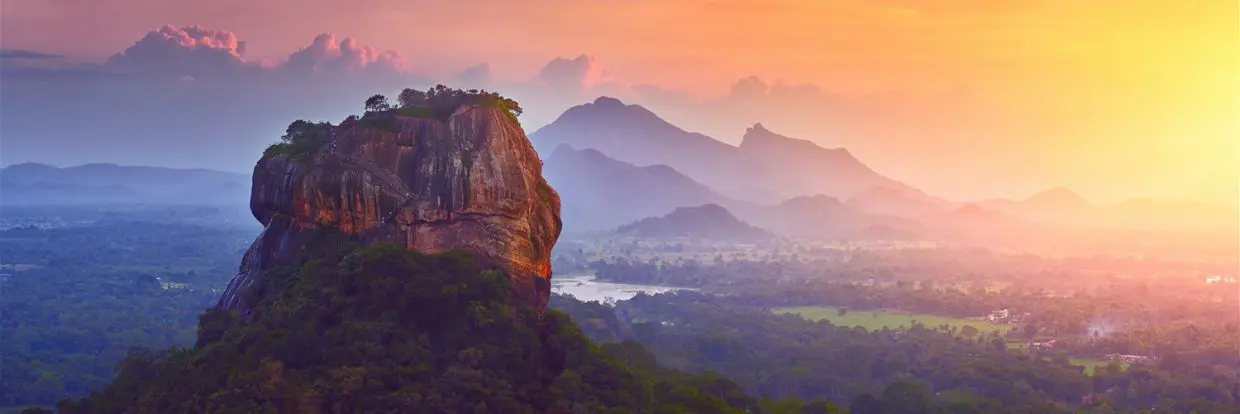
The Jewel of the Indian Ocean, Sri Lanka, has a long, rich history, a number of impressive religious shrines, wonderful food and great scenery. But it also has a lot of fantastic beaches. February is the last of the truly dry and sunny months before the onset of the monsoon in late March / early April and is a great time of year to visit Sri Lanka
Location


About the Weather

Southern Sri Lanka is consistently hot and wet year-round, with only Jan to Mar seeing rain on fewer than 60% of days in the month. This is also the sunniest time of year here, with 8 hours sunshine a day, compared to 6 hours a day for the rest of the year. Days average 29°c in all months, while nights average 23-25°c. Rains peak twice a year as the monsoon arrives and departs, first for a shorter period peaking in May, then for a longer period from Sep to Nov, during which very heavy, thundery rain occurs on most days and humidity is exceptionally high. The only exceptions to this climate across the island are in the central hills, where there is more rain and slightly lower temperatures throughout the year, and the far northeast of the island. Here the weather is sunnier, drier and marginally less humid than elsewhere in Sri Lanka, with the heaviest of the monsoon rains not truly reaching here, with only heavy showers instead of torrential rains from Jun to Nov
Travel by Air (from UK)

Direct Flight

Yes
Long Haul

11 hours
(Avg from UK)
Weather Summary

Average Rainfall
(per month)
70.5 mm

Average Sunlight
(per day)
8.7 (hrs)

Average High Temperature
29°C

Average Low
23°C
Cost of living


On average prices are affordable and reasonable
Alcohol

The legal drinking age is 21+
Crime


Higher crime levels. Caution strongly advised
LGBTQ+


Visas

Visas are required for visitation.
So does that sound good? If so, it’s time to get booking and get out there!
Trippee is proud to partner with some of the best names in the travel industry, and we only work with accredited and licensed companies so you can always feel safe trusting a link from us.